One-button games: how timing works and how to get better at it
Updated: November 27, 2026 · Gizo Game
A game with one button is easy to learn in five seconds and surprisingly hard to master. With nothing else to press, everything depends on when you press, and how long.
Four of our games are built this way. They look different, but they train the same thing: a feel for timing. Here is what we have learned about getting better at them.
Press where the piece will be, not where it is
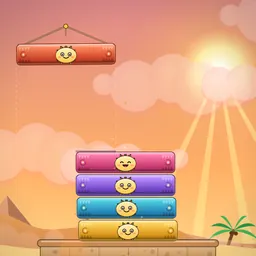
In Totem Tower a swinging piece drops straight down from wherever it is at the moment you press. So the rule is to press when the piece is directly above the top block, not when you expect it to arrive. That sounds obvious, but most misses come from pressing a moment early or late because the eye follows the swing.
Wind and movement add a twist. In wind the piece drifts while it falls, so press a little off-centre on the side the wind blows from. When the tower sways or the ground slides, the tower keeps moving while the piece falls, so aim for where the top block will be a moment later.
- Chase streaks: after two perfect drops in a row the piece grows back wider, which keeps the tower wide.
- A cut ends the streak, so it is better to wait for the next swing than to rush a bad drop.
Hold length is a second dial
Hop Harbor adds a second dimension to one button: how long you hold. A short press is a small hop and a long hold is a big one. If the next floater is close, press briefly; if it is far, fill the charge. At the limit Pip hops by itself anyway.
Before you release, look for the green ring at the end of the arc. It accounts for where the floater will be when Pip comes down, so for a moving boat or buoy a short wait to get the timing right is often all you need. The tide matters too: rocks come up and go under, and a blinking rock is about to submerge.
Rhythm and streaks reward calm
Sky Hopper pays you for landing in the middle of a cloud. From a streak of five, a perfect streak doubles crystal value. Crumbling clouds never count as perfect, so hop off them right after landing. A spring shoots you very high but resets your streak, so if you are holding a long streak it can pay more to skip the spring and land on normal clouds.
The pattern is the same in all of these games: a steady, unhurried rhythm beats frantic tapping. When you feel yourself rushing, take your thumb off the button for one beat.
Spend your resource, do not hoard it
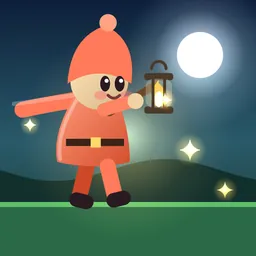
In Lantern Run the glow of your lantern is both your health and your view of the track. Gliding drains it quickly, so do not hold the glide the whole time: tap to jump and glide only where you need it. Pits cost light but are not deadly, which means gliding across a wide pit is often safer than a risky jump.
Chain sparks in a single arc to raise the multiplier, because the higher it is, the more every spark is worth. A low, late jump over an obstacle is a close call, and it earns extra light and a streak. Practise it in the forest, where obstacles are easy to read.
A practice routine
Pick the first levels of any of these games and play them without worrying about stars. Watch for the moment your input and the result line up, and try to repeat it five times in a row. Only then go for the harder goals. Good timing is a habit, and short, calm practice builds it faster than long, tense sessions.