Matching games
Matching is the oldest trick in casual games: spot two things that belong together, connect them, and the board gets a little lighter. The pleasure sits in small decisions, which pair to take first, which chain to set up, and in how fast a messy screen turns tidy. The genre also has a version for almost everyone: calm boards for adults, memory games for children. Most levels are short, so a session fits into five minutes.
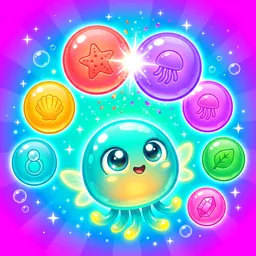
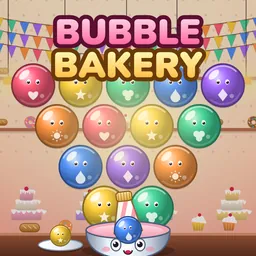
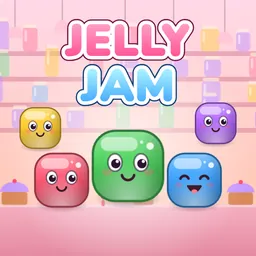
The games here use that idea in different ways. Patika and Gentle Tiles are linking games: you tap two identical pieces and, if a clear path joins them, both disappear. Patika has 30 kinds of animals and 120 boards shaped like hearts, diamonds and rings, and the stars you earn repair a windmill, a bakery and a bridge in a little forest village. Gentle Tiles goes the other way, with big tiles, no timer, no lives, a hint button and unlimited undo. Spark Reef is about swapping glassy pieces in a neon reef so that lines of three or more burst and chains ripple down. Jelly Jam slides the entire board at once, and Bubble Bakery is a shooter where you aim a bubble, pop groups of three or more and drop anything left hanging.
Younger players have their own versions in the kids corner. Little Pairs, for ages 3 to 5, has no text at all and speaks each animal's name. Memory Pals, for ages 6 to 8, adds word-and-picture pairs and a two-player mode on one screen. Pair Detective, for ages 9 to 12, wraps pair-finding in eight harmless mystery cases. The kids corner shows no ads.
A tip that works across all of them: when a board looks crowded, start with the pieces that have the fewest options, such as ones in a corner or at an edge, instead of the obvious pair in the middle. In the swap and slide games, think one move ahead; the best move is often the one that prepares the next.