Matching puzzles, three ways: swap, shoot and slide
Updated: November 27, 2026 · Gizo Game
"Match three" sounds like one kind of game, but it hides at least three different skills. In some games you swap neighbours, in others you aim a shot, and in a few the whole board moves when you swipe. Each one rewards a different habit of mind.
We build all three styles at Gizo Game, so this guide uses them as worked examples. Whichever you prefer, the underlying idea is the same: stop reacting to what is on the screen and start planning one step ahead.
Swapping: read the bottom of the board first
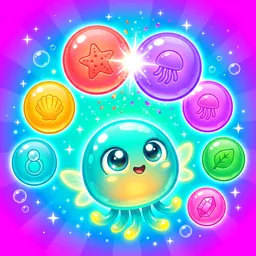
In a swap game such as Spark Reef you exchange two neighbouring pieces, and a swap only counts if it lines up three or more. The most useful habit is to scan from the bottom up. A match low on the board drops everything above it, and that falling is where free combos come from. A match near the top only removes a few pieces and changes little.
The second habit is patience with special pieces. A four-in-a-row makes a Current and a five makes a Lumen Orb in Spark Reef. It is tempting to fire a special the moment it appears, but two specials swapped together make a much bigger effect than either alone. Keep one in reserve until a second one is nearby.
- Goals change from level to level, so read the goal at the top before you touch anything.
- Dim tiles that need two matches should receive your first match early, not your last.
- With a treasure goal, clear only the pieces directly beneath it; clearing the rest wastes moves.
Shooting: geometry beats speed
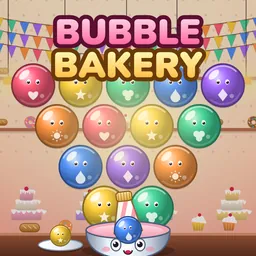
Bubble Bakery is a shooter, so the board never moves on its own and every shot is yours. The skill here is geometry. The dotted guide shows how your bubble will bounce off a wall, and bank shots let you reach corners or the back of a cluster that a straight shot cannot touch.
Beginners match colours. Better players look for the one bubble that is holding a cluster up. Pop that bubble and everything hanging below it falls at once, which scores far more than a plain three-match. It also brings the cherries down, which is the goal in every fifth level.
- Think one shot ahead. If your current bubble has no good target, swap it for the spare.
- Save Rainbow for the colour with the most bubbles, Rolling Pin for the busiest row and Cherry Bomb for the middle of a tight cluster.
- Each of the six colours has its own symbol, so colour-blind players can tell them apart.
Sliding: plan backwards from the goal
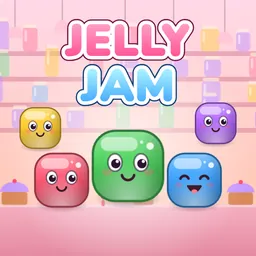
Jelly Jam is the odd one out. You swipe, and every jelly on the board slides at once until it hits a wall or another jelly. That makes it feel more like a puzzle box than a match game. A swipe can build a group, and the same swipe can scatter it.
The way in is to work backwards. Look at which colours the goal needs, find a place where three of that colour could meet, and ask which swipes would bring them there. Walls and the board edge are your stoppers: a jelly stops flush against them, which is how you line colours up on purpose.
Bomb jellies only blast when they touch a melting group, so park one beside the group you plan to melt. A bomb caught in another bomb's blast goes off too, which sets up chain reactions.
What all three have in common
In every one of these games the best move is rarely the most obvious one. Spend a few seconds looking before you act. If a game offers a hint, use it as a teacher: ask yourself why that move is good, and you will start to see the pattern without the hint.
If you want to try all three, start with the style you find easiest to read. Swapping is the gentlest, shooting rewards steady hands, and sliding is the one that feels most like solving a riddle.